

Categories
Uncategorized

Brick, Stucco or Siding: Choosing the Right Exterior Material

When it comes to building or renovating your home, selecting an exterior finish is one of the most important decisions you will make. The external material of your home is important not only for its appearance, but also for insulation, weather resistance, and long term maintenance. In Australia, where the climate varies drastically between states and regions selecting the proper material is even more important. Whether you’re starting from scratch or upgrading an old façade, this guide will help you make an informed decision between brick, stucco and siding.

  1. Brick: Timeless and Durable

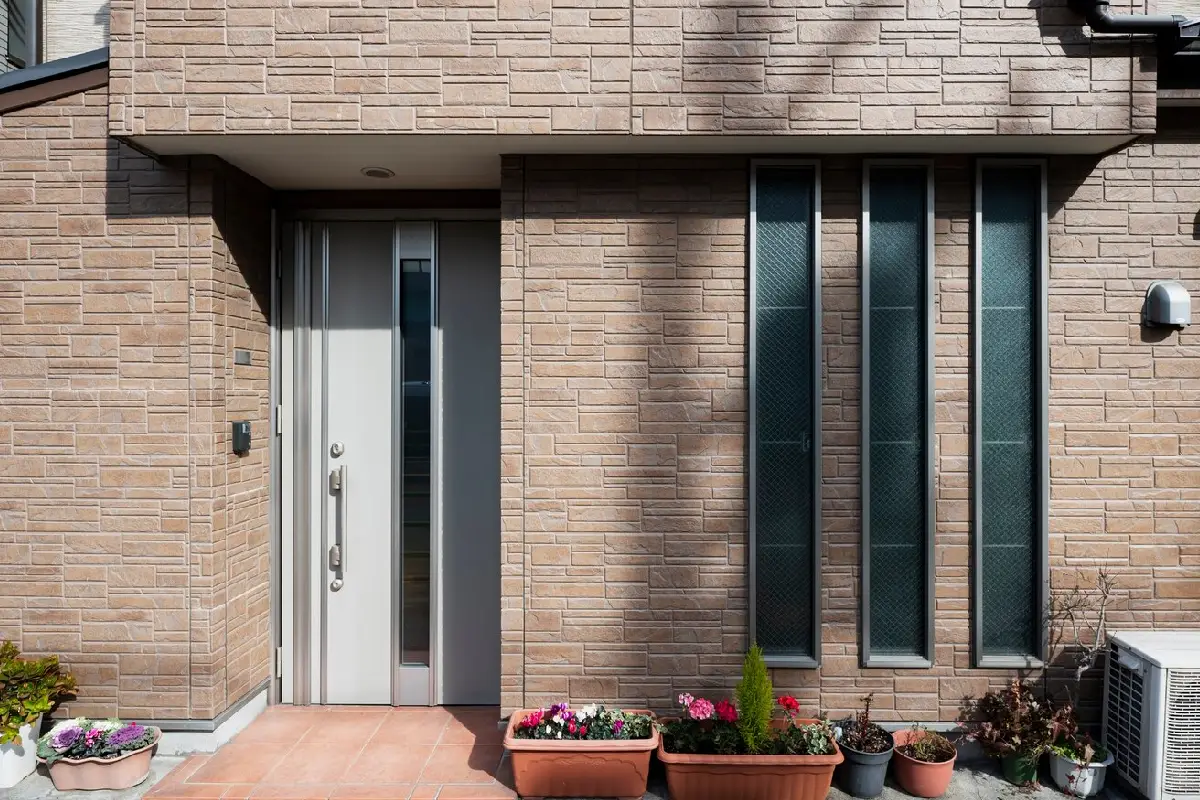
Brick is an essential component of Australian architecture, and it’s clear to see why. It’s extremely durable, fire resistant, and has a high thermal mass, which helps to keep dwellings cool in the summer and warm in the winter. A brick exterior normally requires minimal upkeep, and can survive for decades without losing its beauty. What’s the downside? It is typically more expensive up front, and can limit colour and texture options.

  1. Stucco: Stylish and Versatile

Stucco is frequently chosen, for its smooth, clean surface and modern appearance. Applied in layers over a wire mesh, stucco can be tinted in a range of colours and moulded to suit contemporary or Mediterranean style homes. While it is a popular choice in drier climates, it may not perform well in areas with significant rains unless properly sealed. Interior and exterior designers in Sydney, frequently recommend stucco for homeowners wishing to combine style, with a streamlined appearance; nevertheless, it is critical to budget for annual inspections to avoid cracking or moisture damage.

  1. Siding: Lightweight and Affordable

Siding, whether made of vinyl, fibre cement or composite materials, has gained appeal in recent years due to its low cost and versatility. It’s lightweight, easy to install, and comes in a variety of shapes and colours. Fibre cement in particular performs well under Australian weather conditions. However, siding may not provide the same level of insulation or longevity as brick, and lower end materials can fade or warp over time.

  1. Climate Considerations

Australia’s varied climate zones mean that one material doesn’t fit all. Brick is great for temperate and cooler areas, while stucco might be better suited to dry inland regions. Siding, especially fibre cement, is often used in coastal areas due to its resistance to salt and moisture. Interior and outdoor designers in Sydney, frequently advise clients to consider both the local environment, and long term maintenance when picking materials.

  1. Aesthetic Compatibility of each

Your exterior materials, should also match the overall architectural style of your property. Brick works nicely with vintage or Federation style homes, while stucco looks well, with modern or minimalist designs. Siding can be customised to practically any look, depending on the material and installation method.

  1. Maintenance and Longevity

Each material comes with its own maintenance needs. Brick is low maintenance, but stucco requires periodic sealing and siding may require repainting or replacement depending on the type. Working with interior and exterior designers in Sydney might help you plan for future maintenance expenditures.

Final Thoughts

When selecting the correct exterior material, you should examine your home’s style, environment and long term plans. With professional help and careful design, you can create a beautiful and long lasting exterior that adds value and character to your home.

Categories
Uncategorized

Interior Design Trends for 2026

As we look towards 2026, the world of interior design is buzzing with fresh and exciting changes. With growing emphasis on sustainability, a heightened focus on wellbeing and a desire for personal expression, our homes are transforming into more than just places to live; they’re becoming reflections of our values, lifestyles and unique personalities. Whether you’re gearing up for a complete home makeover or just a few minor tweaks, staying updated on the current design trends can help ensure your space remains stylish, cosy and ready for the future. So, what can we expect in the coming year.

  1. Nature Inspired Design in Everything

Biophilic design is no longer a passing phase; it’s now an important part of modern interiors. In 2026, you can expect to see even more organic elements throughout the home like natural timber, stone textures and indoor gardens. Earthy tones like ochre, clay and moss green are likely to dominate walls and furniture, creating warm, grounding spaces that promote mental clarity and relaxation for its inhabitants. As more homeowners seek to reconnect with nature, large windows, skylights and indoor plants will play a central role in softening the boundaries between the interior and exterior.

  1. Soft Geometry Patterns Throughout The Home

You can also expect to see a shift away from the rigid and stark structures, and a movement towards softer, more organic shapes. For instance, spherical sofas, arched doors, curved countertops and pill shaped mirrors will become popular. This flowing geometry evokes a sense of calm and enjoyment which is a welcome change from the angular rigidity that has dominated design in recent years. These shapes also create a more welcoming and intimate environment—perfect for lounging, entertaining or simply unwinding at home.

  1. Statement Lights Providing Function and Style

Lighting has officially moved from being a supporting act to a main stage performer. In the coming year, expect to see statement light fixtures that double as works of art. Whether it’s a bold pendant above the dining table, layered ambient lighting in the lounge, or a futuristic chandelier, and lighting will be used to make a strong visual impact.

Australian designers are also starting to embrace LED technology and smart lighting solutions, seamlessly blending function with creativity. The best interior and exterior designers often incorporate custom lighting pieces that highlight architectural features and add a dramatic flair to even the most understated room.

  1. Elevated Look for Home Offices

With hybrid work culture here to stay, the humble home office is getting a major upgrade. Forget the cramped desk in the spare room—2026 is all about integrated, beautifully designed workspaces. Think ergonomic furniture, acoustic panels, clever storage solutions and even biophilic design elements that support mental wellbeing. Designers are focusing on creating flexible work zones that blend seamlessly with the rest of the home, without sacrificing professionalism or comfort.

  1. Growth in Sustainable Luxury

Sustainability is still a hot topic but as we look ahead to 2026, it’s evolving into something even more exciting: sustainable luxury. Designers are now finding clever ways to blend eco friendliness with stunning aesthetics, proving you don’t have to compromise on style. Get ready to see high end furniture crafted from recycled materials, beautifully made decor, and finishes that are both ethical and chic.

Bespoke and vintage items are also set to rise in popularity, bringing unique character to spaces while cutting down on the ecological footprint associated with mass production. In Sydney, many interior and exterior designers are now choosing suppliers who are open about their materials and manufacturing practices.

  1. Advent of Colour, Personality and Customisation

After years of neutral minimalism, 2026 welcomes a vibrant return to colour and personal expression. Rich jewel tones, bold wallpaper and mixed materials will be embraced as homeowners lean into individuality. Custom made furniture and hand painted murals are just a few ways people are infusing their spaces with a sense of uniqueness and narrative. This shift encourages people to build homes that reflect their lifestyle, heritage and personality—rather than simply following what’s trendy.

Wrapping Up

Australian homeowners are increasingly drawn to spaces that blend style with a sense of warmth. People want their homes to be functional and visually appealing, grounded yet full of life and utilising these trends can help you stay ahead while crafting a home that truly reflects who you are. Plus, collaborating with skilled interior and exterior designers in Sydney can significantly enhance your vision for design.

Categories
Uncategorized

Budget-Friendly Interior Makeovers That Look Expensive

Everybody wants a home that is elegant and well-designed, but not everyone has the money to invest in pricey remodelling. The good news? A large budget is not necessary to design a chic and elegant space. You can achieve an elegant look in your house without overspending by using the proper design tips, savvy buying decisions, and a bit of imagination. The magic is to focus on minor but all-important changes that shift the entire appearance and atmosphere of your interior spaces. Here’s how to obtain a luxurious look on a tight budget.

1. Elevate Your Walls with Paint and Moulding

One of the easiest and least expensive ways to update any area is with a new coat of paint. To achieve a sophisticated and elegant style, choose neutral or rich, deep colours. Moulding includes such examples as wainscoting and crown moulding, all of which can add an upscale feel without breaking the bank. DIY wall panels or peel-and-stick wallpaper, if you have a more creative twist, can truly give depth and texture to your space without taking up just as much dedication time as traditional wallpaper.

2. Upgrade Your Lighting for a Luxurious Glow

Lighting makes a huge difference in the ambience of the room. Old fixtures should be replaced with nice pendants, chandeliers, or fashionable sconces. Statement lighting instantly elevates a room’s ambience. If changing fixtures is not possible, warm LED bulbs can help produce a gentle warmth. Placing table and floor lamps throughout increases the richness of your space and makes it pleasant and well-designed.

3. Invest in Stylish Soft Furnishings

One of the easiest ways to achieve a designer look is through textiles. High-quality curtains, plush throw pillows, and textured rugs can add depth and character to any room. Opt for linen or velvet fabrics for a high-end touch. When it comes to rugs, layering is a great trick; placing a large, affordable natural fibre rug underneath a smaller statement rug can create a luxurious effect without the designer’s price tag.

4. Declutter and Style with Thoughtful Accessories

Luxury is defined not only by what is added but also by what is removed. Clutter can make even the most beautiful environment appear disorganised and unpolished. Maintain clean surfaces and decorate with intention. Decorate coffee tables and shelves with beautiful trays, vases, and books. Adding metallic elements such as gold or brass to mirrors, candle holders, or picture frames will quickly improve your room without breaking the wallet.

5. Mix High and Low Pieces for a Balanced Look

You don’t need to fill your home with expensive items to create a sophisticated look. The key is to combine affordable findings with a few high-quality standout items. From quality products, such as a well-made sofa or a solid wood dining table, low-cost décor completes the balance. Vintage or thrifted furniture may also give your interiors a unique, luxurious feel for a fraction of the cost.

Wrapping Up

Creating a luxurious home doesn’t require a massive budget; it’s all about making smart design choices. By focusing on paint, lighting, textiles, accessories, and a mix of high and low pieces, you can achieve an expensive look without spending a fortune. Small changes can have a big impact, making your space feel polished and inviting. With a little creativity, your dream home is within reach no high-end budget is required.

Categories
Uncategorized

Sustainable Interior Design: Eco-Friendly Materials and Practices

As environmental awareness and responsibility expand, sustainable interior design has emerged as a cornerstone of current design methods. As people and organisations become more aware of their environmental impact, incorporating sustainable methods and eco-friendly materials into interior design has gained traction. This approach benefits both the environment and the community as a whole. Interior and exterior designers in Sydney, for example, are increasingly employing environmentally conscious methods to create trendy and sustainable spaces.

The Importance of Sustainability in Interior Design

Sustainability in interior design aims to reduce negative environmental impacts while increasing long-term resource efficiency. This method considers everything, from the materials used to the design’s energy efficiency. Sustainable interiors attempt to create environments that promote a healthier, more ecologically responsible living without sacrificing aesthetics or usefulness.

Eco-Friendly Materials for Interior Design

One of the most effective strategies to achieve sustainability in interior design is to employ environmentally friendly materials. These materials are renewable, recyclable, or biodegradable, and they typically have a reduced carbon impact than traditional alternatives. Bamboo, reclaimed wood, recycled glass, and cork are popular eco-friendly materials. These materials are not only eco-friendly, but they may also add a unique and rustic touch to interiors.

Energy-Efficient Design

Energy efficiency is a key component of sustainable design. Installing energy-efficient appliances, lighting, and heating systems in interior spaces can significantly reduce energy use. LED lights, solar panels, and energy-efficient windows are all examples of solutions that save energy while maintaining comfort and usefulness. Interior and outdoor designers in Sydney usually emphasise passive design concepts, such as natural lighting and ventilation, to lessen the need for artificial heating and cooling.

Low-VOC and Non-Toxic Paints and Finishes

Volatile Organic Compounds (VOCs) found in traditional paints and finishes can contribute to indoor air pollution and pose health risks. Low-VOC or non-toxic paints can help limit harmful emissions and improve indoor air quality. These paints come in a wide range of colours and finishes, so designers can maintain aesthetic appeal while preserving health and sustainability.

Waste Reduction and Recycling

Waste reduction is another key element of sustainable interior design. The designers can use recycled materials, reuse the available furniture, and encourage the use of up-cycled objects to minimise waste production. Interior designers can creatively use recycled metal, plastic, and fabrics to provide useful as well as decorative elements.

Creating Green Spaces

Incorporating indoor plants is a simple yet effective way to bring nature into the home. Plants help to enhance air quality by absorbing CO2 and releasing oxygen, making indoor spaces healthier. Green spaces also improve mental health by creating a relaxing and visually appealing environment. Indigenous Australian plants are frequently used in sustainable designs due to their versatility and low environmental impact.

Conclusion

Sustainable interior design is more than a trend; it is a requirement for designing places that promote both human health and environmental well-being. Interior and exterior designers in Sydney are crafting a future in which design and sustainability coexist together by integrating eco-friendly materials, energy-efficient systems, and waste-reduction strategies. As awareness rises, more homeowners and companies are adopting these principles, ensuring that the built environment has a positive impact on the world around us.

Categories
Uncategorized

Landscaping Ideas for Small Yards

Small yards do not have to limit landscaping options. Even the tiniest outdoor areas may be productive, calming, and visually appealing with proper design and space utilisation. Landscaping for tiny yards necessitates a blend of creativity and practicality, ensuring that the space is used efficiently without becoming congested. Whether you want to construct a garden, a warm leisure area, or simply a place to unwind, there are numerous methods to turn a little yard into a stunning outdoor paradise.

Create Defined Zones

In a small yard, every square meter counts. One practical way would be to establish clearly delineated zones for different activities. Segregate the area for sitting, eating, and tending plants by means of garden beds, shrubs, or low fencing. For visual separation, the use of different materials can help demarcate zones. Examples include gravel, timber decking, and pavers.

Opt for Vertical Gardens

When floor space is limited, consider vertically. Vertical gardens are a fantastic way to bring greenery into a tiny yard without taking up important ground space. Install wall-mounted planters, hanging pots, or vertical trellises to support climbing plants like ivy and jasmine. You may also create a living wall using succulents or herbs to provide texture and colour without taking up too much room.

Incorporate Multifunctional Furniture

In small yards, it is critical to achieve maximum functionality. Choose multi-purpose outdoor furniture. For example, a bench with integrated storage or a collapsible dining table that can be stored when not in use can save room while also providing comfort and functionality. Folding chairs, outdoor ottomans with hidden compartments, and multi-purpose tables all let you create a dynamic outdoor scene.

Use Compact Plants and Shrubs

Choose plants that thrive in small places and prevent overcrowding with huge plants. Compact shrubs, low-maintenance perennials, and miniature trees are ideal for smaller yards. To add texture and hue without overwhelming the room, consider using decorative grasses or small-scale ground covers. Layering plants of varied heights creates depth and visual charm.

Lighting for Atmosphere

Outdoor lighting is vital to ensure that your little yard feels inviting, particularly in the evening. String lights, lanterns, and solar-powered garden lights can be used to illuminate pathways, flowerbeds, and seating spaces. Position lights strategically to highlight essential features, such as a tree or fountain, while keeping the mood cosy and intimate. This can keep your yard accessible till late night.

Work with Professionals

Sometimes a little expert advice is all that is required to bring your concept to life. By consulting with professional experts, like Interior and Exterior Designers, Sydney, you can actually make the most out of your small yard. They can give you specific solutions for your space, such as plant selection and layout design, to ensure that your outside space is both useful and visually appealing.

Conclusion

A small yard calls for thoughtful designing and planning. The right plants, smart zoning, vertical gardening, and versatile furniture can change an outdoor space from the smallest size into a beautiful and functional place. For professional guidance or assistance, Interior and Exterior Designers Sydney can design a customised landscaping plan to maximise your area and improve your outside living experience.

Categories
Uncategorized

Maximising Small Spaces: Clever Design Solutions

As urban living grows more common, many Australians are finding themselves in smaller homes and apartments. With little space, it can be difficult to create a useful, comfortable place that yet seems spacious and elegant. Fortunately, creative design ideas may help you make the most of your space while maintaining both functionality and aesthetic appeal. Whether you live in a small studio or an apartment, clever design strategies can turn your space into a peaceful refuge.

Multifunctional Furniture

Using adaptable furniture is one of the best methods to maximise the use of a small space. Items such as a sofa that doubles as a bed, foldable dining tables, and ottomans with hidden storage can considerably reduce clutter. By selecting furniture that performs many functions, you can free up important floor space while keeping your home tidy and structured.

Vertical Storage

When space is scarce, look up! Vertical storage solutions are an excellent way to make full use of your walls. Floating shelves, tall bookshelves, and wall-mounted racks let you store stuff and exhibit décor without taking up valuable floor space. Hanging storage in small kitchens or bathrooms can provide more space for daily necessities while maintaining a clean, tidy appearance.

Open Shelving and Transparent Storage

Open shelves may be both useful and elegant. Displaying books, plants, and decor on open shelves makes your space appear more spacious and allows you to easily access your items. Transparent storage containers keep everything orderly and visible, avoiding the need to rummage through drawers or cabinets.

Use of Mirrors and Light Colours

Mirrors are excellent for making tiny places appear larger. Mirrors may make a space appear larger by reflecting natural light and creating depth. When coupled with light, neutral colour choices for walls, floors, and furniture, you may create the sense of more space. Light tones such as white, light grey, and pastels help to open up a space and make it feel open and airy.

Custom Built-In Storage

Custom built-in storage is another good design idea for optimising available space. Building closets, shelving, or wardrobes to fit your home’s proportions guarantees that no room is wasted. Built-in seats with secret compartments or under-bed storage can assist reduce the need for bulkier furniture, making the area feel more open and orderly.

Zoning the Space

In a tiny home, it’s critical to separate zones for different activities. Rugs, furniture placement, and even sliding doors can help delineate sleeping, working, and dining areas without requiring too many walls. Interior and exterior designers in Sydney can help you create functional zones that flow while meeting your individual needs.

Conclusion

Maximising small spaces requires sophisticated design strategies that enhance both function and aesthetics. Whether you choose multifunctional furniture, vertical storage, or custom-built solutions, every inch of your home gets wisely used. Working with professionals such as Interior and exterior designers Sydney allows you to change even the smallest of areas into a functional, fashionable living environment. Finally, the objective is to maximise space while maintaining comfort and flair.